Built to Break: The Uncomfortable Truth Behind Your Controller's 'End of Life'
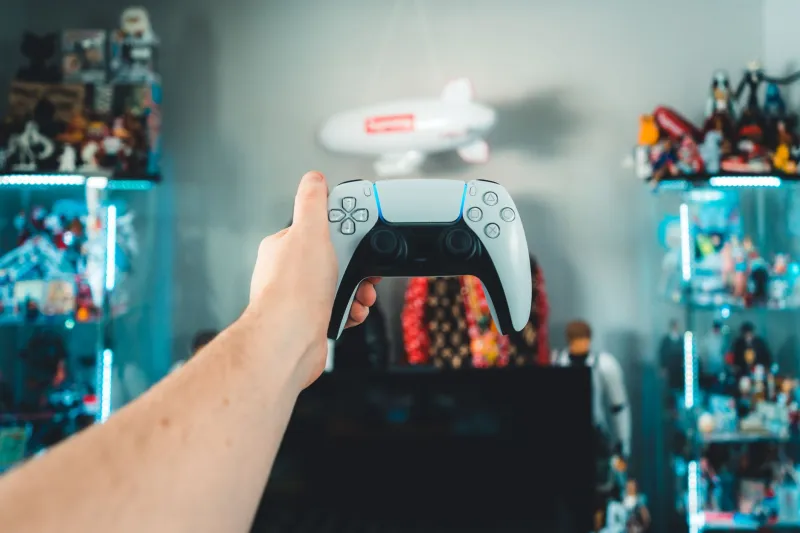
Remember that one controller — the one that fit your hands perfectly, had buttons that clicked just right, and somehow made every gaming session feel effortless? And then one day, poof. Gone. "Discontinued," the product page said. "No longer supported." Maybe you found a dusty unit at a GameStop for $15 above retail because someone else knew what they had. Maybe you paid a stranger on eBay twice the original price just to keep using the thing you already loved.
This isn't a coincidence. And it's happening a lot more deliberately than most gamers realize.
The Pattern Nobody Wants to Officially Acknowledge
Talk to anyone who's worked in hardware manufacturing — even peripherally, even tangentially — and a familiar picture starts to emerge. Products get quietly shelved not because demand dried up, but because continued availability cuts into the sales cycle for whatever comes next. A controller that lasts five years and keeps players happy is, from a pure revenue standpoint, a problem.
Former hardware engineers who've moved on from major peripheral companies have described internal timelines that feel less like product roadmaps and more like expiration dates. Components get sourced with specific lifespans in mind. Driver support gets quietly phased out with OS updates. Firmware patches stop arriving. Suddenly your perfectly functional headset is "incompatible" with the new console generation — not because the hardware can't handle it, but because nobody wrote the code to make it work.
That's not an accident. That's a decision.
"Compatibility" as a Revenue Strategy
The console transition is where this gets particularly sharp. When a new PlayStation or Xbox generation launches, peripheral makers face a choice: invest in backwards compatibility for existing accessories, or treat the new hardware as a clean slate that requires fresh purchases.
Guess which option generates more revenue.
Microsoft has made genuine strides here — Xbox controllers have maintained a relatively consistent compatibility story across recent generations, and the company has been fairly transparent about it. But even within that ecosystem, certain licensed accessories from third-party manufacturers hit a wall the moment a new console drops. Sony's history with this is even more contentious; the PS5's launch left a graveyard of PS4 peripherals that worked fine but were suddenly rendered obsolete by design choices that players had no say in.
Third-party brands aren't innocent either. Some of the most beloved PC gaming headsets from companies like Turtle Beach, SteelSeries, and Razer have seen popular models vanish from catalogs mid-cycle, replaced by near-identical successors at full price. The differences between generations are often cosmetic. The upgrade is mandatory in practice, if not in name.
What "End of Life" Actually Means
When a company announces that a product is reaching "end of life," the language sounds clinical and inevitable — like the peripheral just aged out naturally. In reality, it usually means one of a few specific things:
Driver support is ending. The company will stop updating the software that makes the device function. This is a death sentence on PC, where OS updates can break compatibility overnight.
Firmware updates are stopping. No more bug fixes. No more feature additions. Whatever problems exist in the hardware now are permanent.
Parts supply is being cut. Even authorized repair shops won't be able to source components. Your only option becomes replacement.
None of these are physical limitations of the hardware itself. They're support decisions — choices made in boardrooms, not engineering labs.
The Secondhand Market Is Telling on Them
If discontinued products were truly obsolete, nobody would pay premium prices for them on the secondhand market. But scroll through eBay, Reddit's r/hardwareswap, or Facebook Marketplace on any given day and you'll find discontinued controllers and headsets selling for well above their original retail price. The Xbox 360 Chatpad. The original Steel Battalion controller. Logitech's G9x mouse. Certain Guitar Hero guitar controllers.
Demand doesn't disappear just because supply does. The secondhand market is essentially a black market for products that companies decided weren't profitable to keep making — not products that players stopped wanting.
That gap between what companies say ("the market moved on") and what players actually do (pay $80 for a $40 controller because nothing else compares) is where the real story lives.
So What Can Players Actually Do?
Honestly? Quite a bit, if enough people decide it matters.
Buy right-to-repair. The right-to-repair movement has gained real momentum in the US, and gaming hardware is increasingly part of that conversation. Supporting legislation and organizations pushing for repairability standards puts direct pressure on manufacturers who profit from disposability.
Demand open driver standards. When peripheral companies publish open-source drivers or commit to long-term software support, reward them with your purchases. iFixit's repairability scores and community-maintained driver repositories for older hardware are worth bookmarking.
Vote with your wallet, loudly. When a product gets discontinued and the community is angry about it, make that anger visible. Twitter campaigns, Reddit threads, and direct feedback through official channels do move the needle — maybe not immediately, but companies track sentiment on their products more carefully than they let on.
Stockpile strategically. This feels cynical, and it is. But if you find a peripheral you genuinely love, buying a backup unit while it's still available at retail is increasingly reasonable advice. That's a broken system, but it's the system we're currently in.
Support third-party and open ecosystem hardware. Companies like 8BitDo have built their entire brand identity around longevity and cross-platform compatibility. Smaller manufacturers who make backwards compatibility a feature rather than an afterthought deserve more market share than they currently get.
The Longer Game
The gaming peripheral industry isn't going to fix itself out of goodwill. The incentives don't point that way. But the conversation around planned obsolescence is louder now than it was five years ago, and players have more leverage than they sometimes realize.
Every time a beloved product gets quietly shelved and the community erupts about it, that's data. Every time someone documents how a manufacturer deliberately broke compatibility in a software update, that's accountability. Every time a smaller company commits to multi-year support and sees strong sales because of it, that's proof the market rewards the right behavior.
Your favorite controller didn't just disappear. Someone decided it should. And the more players understand that distinction, the harder it gets for companies to keep pretending otherwise.
Keep asking inconvenient questions. Keep demanding better. The peripheral industry is counting on you forgetting — don't.