Try Before You Buy Is Cool Again — And It's Making $70 Games Look Riskier

Photo: Unomelon, Public domain, via Wikimedia Commons
The Demo Didn't Die, It Just Went Quiet
There was a stretch when demos felt like leftovers from the magazine-disc era. You got a slice of a game, played it twenty times, and moved on. Then online stores made demos feel less necessary, and publishers leaned on cinematic trailers and influencer previews instead. For a while, the demo was a nice memory.
In 2026, it is back. Not in the same form, but in a way that matters. Steam Next Fest turns into a rolling festival of playable slices every year. Console storefronts quietly offer trials and timed versions. Indie studios use demos as a calling card. The playable teaser has become one of the few honest tools left in a marketing cycle that otherwise runs on hype.
Why Demos Hit Different in a $70 World
A trailer can show you a world. A demo lets you feel the controls. That difference matters more when games cost $70 before tax, and when deluxe editions and preorder bonuses are designed to get you to commit before reviews land. A demo is not a review. It is a vibe check. You can tell whether the camera makes you sick, whether the combat has weight, whether the frame rate holds up in a busy scene.
For US players, that is real money. Seventy dollars is a grocery run, a tank of gas, or a couple of months of a streaming service. Spending it on a game that looks great in a trailer and feels wrong in your hands is a bad trade. Demos let you make that call before the return window becomes a hassle.
The Steam Next Fest Effect
Valve's Next Fest has become the clearest example of the demo revival. Thousands of demos, most of them from smaller teams, all competing for a wishlist add. It is part marketing event and part discovery engine. Players get to sample genres they would never buy blind. Developers get feedback and a shot at visibility.
The smartest studios treat the demo as a small game, not a chopped-up trailer. They give you a complete loop: a mission, a run, a puzzle, a boss. They let you save, or they tell you upfront that progress will not carry over. That honesty builds trust. A good demo does not answer every question. It makes you want to ask the next one.
Console Trials Are Sneaking Back
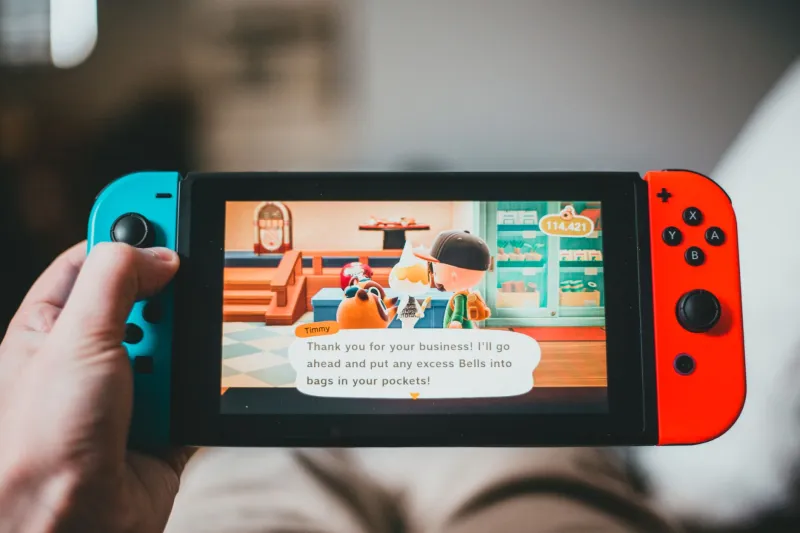
Sony and Microsoft have their own versions of this. Game trials, free play weekends, timed downloads. They are not always full demos, and they can be messy. But they serve the same purpose: they let you test the goods. Nintendo has kept demos alive on its storefront for years, especially for smaller titles and RPGs. The common thread is access. You do not have to rely on a trailer's editing tricks.
Demos Are Not a Magic Bullet
Not every demo is honest. A vertical slice can be polished in ways the final game is not. A demo can spoil a story beat or make a bad game look good for thirty minutes. Some developers crunch to get a demo ready for an event, which is its own problem. And a demo does not replace reviews, refund policies, or waiting a day for technical impressions.
Still, the trade-off is better than the alternative. In a market where preorders are pushed hard and deluxe editions promise early access, a playable slice is a small act of consumer protection. It says: here is the thing, try it yourself.
How to Use Demos Like a Smart Shopper
Set a timer. Demos are designed to pull you in, so give yourself thirty to forty-five minutes and pay attention to how the game feels, not just how it looks. Check the menus. Look at the performance. See whether the save transfers, if that matters to you. Wishlist the game instead of buying it on impulse. If the demo does not grab you, trust that feeling. A full game rarely fixes a core loop you did not enjoy.
The Anti-Hype Shift
The demo is not a new idea. It is an old idea that got a second life because players are tired of being sold a feeling. In 2026, the best marketing a game can have is a download button and thirty minutes of honesty. That is good for players, good for smaller studios, and probably good for the industry. Hype is cheap. A playable slice is not.