Burned Out and Logging Off: The Gaming World Is Finally Talking About Mental Health

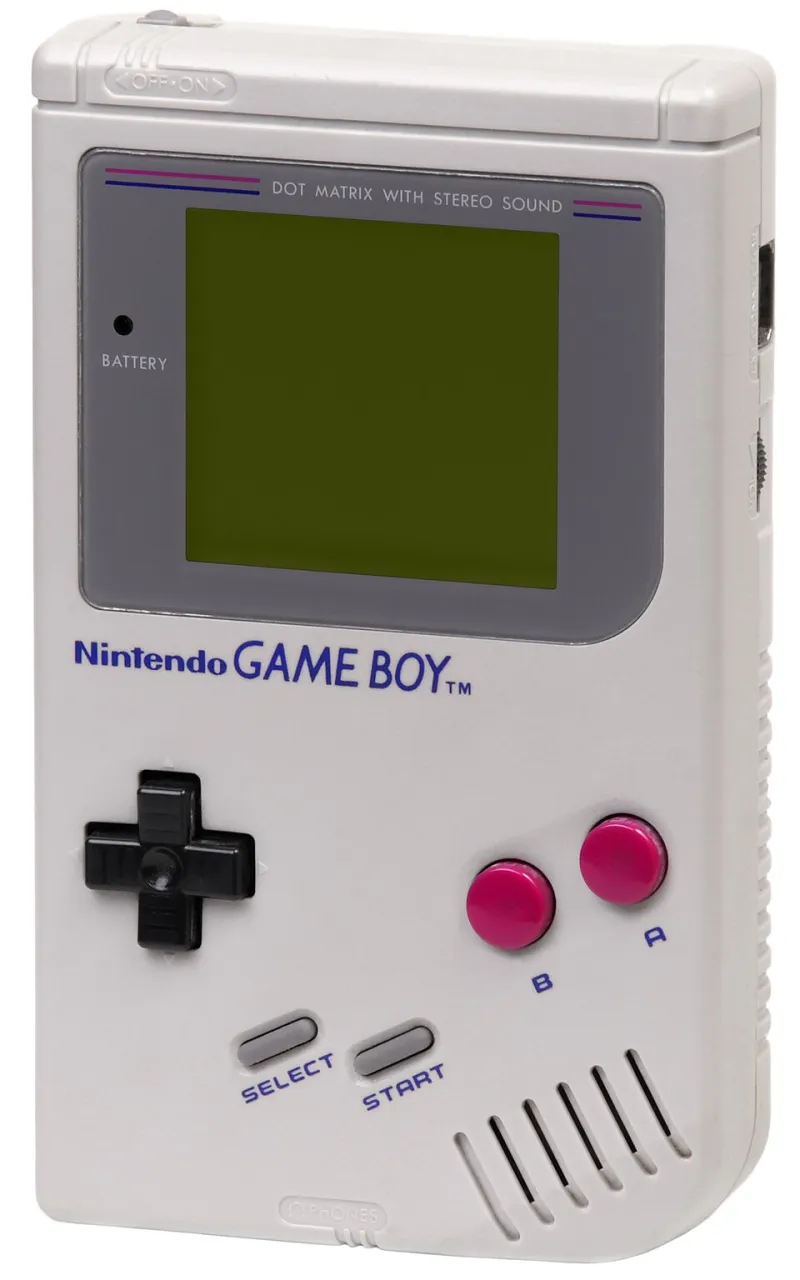
Photo: Mwintirew, CC BY-SA 4.0, via Wikimedia Commons
There's a moment a lot of gamers know but rarely talk about. You sit down to play, controller in hand, and just... don't want to. The game you loved last week feels like a chore. Your stream queue feels like a to-do list. The hobby that used to be your escape has somehow become another source of stress. That feeling has a name — gaming burnout — and in 2024, it's finally getting the serious conversation it deserves.
The Grind Culture Problem
Gaming culture in the United States has, for a long time, celebrated a very specific kind of dedication. The streamer who goes live for eight hours a day. The competitive player who grinds ranked matches until 3 AM. The content creator who pumps out three videos a week without fail. Hustle is glorified. Rest is suspicious.
But cracks in that narrative have been showing for a while. High-profile streamers like Pokimane, Disguised Toast, and others have publicly discussed stepping back from content creation schedules that had become genuinely unsustainable. Several prominent voices in the Call of Duty and League of Legends competitive scenes have opened up about anxiety, depression, and the psychological toll of treating gaming as a job — especially when that job comes with a live audience of thousands watching your every move.
The message from these creators hasn't been "quit gaming." It's been something more nuanced: the relationship you have with games matters just as much as the games themselves.
What the Research Actually Shows
Psychologists and behavioral scientists have spent the last decade trying to understand gaming's effect on mental health, and the picture is genuinely complicated — which is to say, it's not as simple as "games bad" or "games good."
Research published in journals like Computers in Human Behavior and JMIR Mental Health has consistently found that it's not the amount of time spent gaming that predicts negative mental health outcomes — it's the motivation behind the play. Gamers who play to escape problems, avoid responsibilities, or fill emotional voids are significantly more likely to experience burnout, anxiety, and depressive symptoms than those who play for enjoyment, social connection, or creative engagement.
Dopamine plays a role here too. Many modern games — particularly mobile titles, battle royales, and live-service games — are engineered to trigger dopamine release through variable reward systems: loot boxes, daily login bonuses, ranked progression. These mechanics aren't accidental. They're designed to keep you engaged, and they're effective. But that same engagement loop, when pushed too hard, can leave your brain's reward system feeling depleted rather than satisfied. You keep playing not because it's fun, but because stopping feels wrong.
Dr. Rachel Kowert, a research psychologist who specializes in gaming and mental health, has described this as the difference between gaming as a restorative activity and gaming as a compulsive one. The line between the two can blur fast — especially for content creators whose income depends on consistent output.
Stories From the Community
Jordan, a 27-year-old from Portland who ran a mid-size Twitch channel focused on indie games, described hitting her wall last spring. "I had built up to about 400 concurrent viewers, which isn't massive but felt huge to me," she said. "And then I realized I hadn't actually enjoyed a game in months. I was just performing enjoyment. I took six weeks off and honestly thought my channel would die. It didn't. And more importantly, I remembered why I started."
Her story echoes what a lot of casual players describe too — though without the audience pressure. Derek, a 41-year-old dad from suburban Chicago, told us he used to game for two to three hours every evening as a way to decompress after work. "Somewhere along the way it stopped being decompression and started being another obligation. I was trying to keep up with friends in an MMO, feeling guilty when I missed guild events. I had to step back and remind myself this was supposed to be fun."
Both Jordan and Derek found their way back to gaming — but on their own terms, with intentional boundaries in place.
Redefining What "Success" Looks Like
This is where the conversation gets really interesting. Gaming culture has often defined success in very measurable terms: follower counts, win rates, hours logged, achievements unlocked. But a growing movement within the community is pushing back on that framework entirely.
Concepts like "cozy gaming" — centered on low-stakes, relaxing titles like Stardew Valley, Animal Crossing, and Unpacking — have exploded in popularity precisely because they offer an alternative definition of engagement. You're not grinding. You're just... existing in a world that feels good to be in. The success is the experience itself.
Similarly, communities around tabletop-adjacent games, narrative adventures, and even board game cafes are growing in cities across the US. These spaces emphasize social play, laughter, and genuine connection — a deliberate counterweight to the isolation that can come with solo grinding.
Practical Strategies for Keeping It Healthy
If any of this is resonating with you, here are some genuinely useful approaches — not from a place of judgment, but from a place of wanting gaming to stay something you love:
Set a session intention. Before you start playing, ask yourself why. For fun? To connect with friends? To unwind? If the honest answer is "because I feel like I have to," that's worth paying attention to.
Schedule breaks like you schedule play. This sounds obvious, but it works. Physical movement, time outside, and non-screen hobbies aren't the enemy of gaming — they're what make gaming feel good when you return to it.
Diversify your library. If you've been locked into one competitive title for months, try something completely different. A short narrative game or a relaxing sim can reset your relationship with the medium.
Talk about it. The GBX6 community — like a lot of gaming communities — is full of people who get it. You're not alone in feeling this way, and saying it out loud tends to help.
The Bigger Picture
Gaming burnout isn't a sign that you're weak or that gaming is bad. It's a signal that something in your relationship with the hobby needs recalibration. The fact that more players — and more creators — are talking openly about this is genuinely encouraging. It means the culture is maturing.
The best version of gaming culture is one where people feel free to log off when they need to, try something new when the old thing stops sparking joy, and measure their experience not by hours played or subscribers gained, but by how they actually feel. That's a culture worth building. And it starts with being honest — with your audience, your friends, and yourself.