Old School Is the New Cool: How Retro Consoles Are Winning the Hearts (and Wallets) of American Gamers
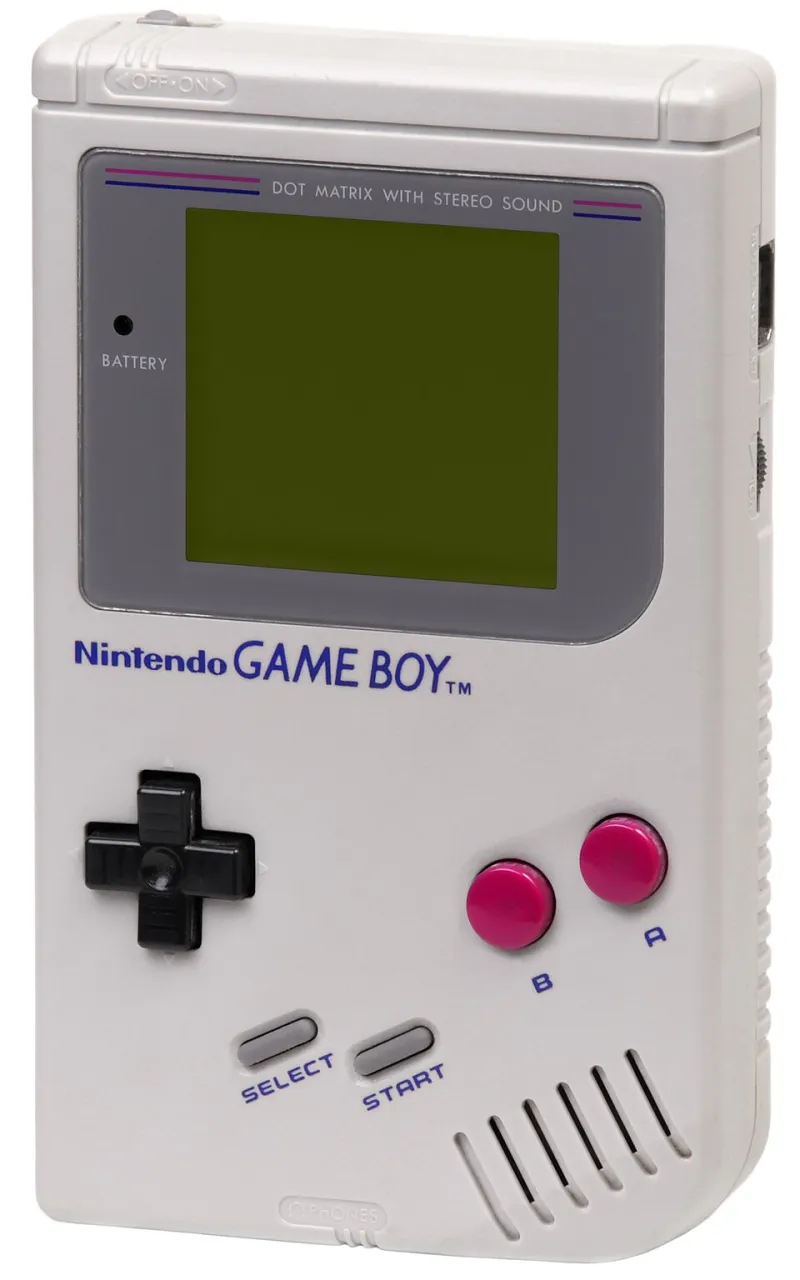
Photo: Evan-Amos, Public domain, via Wikimedia Commons
Walk into any GameStop, browse eBay for five minutes, or scroll through r/retrogaming, and you'll notice something a little surprising: the old stuff is selling like crazy. While Sony and Microsoft are locked in an eternal specs war, a growing number of American gamers are skipping the $500 price tags entirely and reaching for something a lot more familiar — and a lot cheaper. Retro gaming isn't just surviving in 2024; it's thriving in ways nobody really saw coming.
The Numbers Don't Lie
Retail analysts and gaming market trackers have flagged a notable shift over the past 18 months. Nintendo's NES and SNES Classic Mini consoles — both technically discontinued — have continued to command strong resale prices, often clearing $80–$120 on secondary markets. Meanwhile, the Analogue Pocket, a sleek handheld that plays original Game Boy, GBA, and even Sega Game Gear cartridges, has maintained a waitlist that stretches for months. Limited Run Games, a publisher specializing in physical releases for older titles, reported record pre-order numbers in 2023 and has only accelerated from there.
On the software side, classic titles on platforms like Nintendo Switch Online and PlayStation Plus Classics are consistently among the most-downloaded offerings each month. Pac-Man, Contra, Castlevania, Mega Man — these aren't just nostalgia plays for older gamers. They're genuine discoveries for a whole new generation.
Nostalgia Is Powerful, But It's Not the Whole Story
It would be easy to chalk all this up to pure nostalgia — Gen X and Millennial gamers reliving their childhoods. And sure, that's part of it. But the retro gaming boom is actually pulling in players across age groups, including a surprising number of Gen Z enthusiasts who never touched an original NES in their lives.
So what's the real draw? A few things stand out.
First, there's simplicity. Modern games are incredible, but they also come with 30-hour tutorials, mandatory updates, battle passes, and enough menu screens to make your head spin. Firing up a SNES cartridge and being in the action within seconds? That's genuinely refreshing.
Second, there's completion. In an era of live-service games that never technically end, there's something deeply satisfying about a game you can actually finish. Beat Mega Man 2, and you beat it. No season resets. No FOMO events. Just a clean, honest victory.
Third — and this one matters — there's community. Retro gaming has one of the most welcoming, passionate communities in all of gaming culture. Whether you're hunting flea markets in Ohio for loose cartridges or swapping tips on Discord servers dedicated to speedrunning Super Mario Bros. 3, the vibe is collaborative rather than competitive.
Collectors, Modders, and the DIY Revolution
We spoke with Marcus T., a 34-year-old IT technician from Austin, Texas, who started collecting retro hardware seriously about three years ago. "I started with just my original Game Boy from when I was a kid," he told us. "Then I got into buying broken systems off Facebook Marketplace and fixing them up. Now I've got a full setup — NES, SNES, Genesis, N64, even a TurboGrafx-16. I probably spent less than $400 total over two years."
Marcus's story is more common than you might think. The modding and repair community around retro consoles has exploded, fueled by YouTube tutorials, affordable replacement parts from suppliers like RetroSix and Hand-Held Legend, and open-source projects like the MiSTer FPGA — a hardware platform that accurately emulates dozens of classic systems at the circuit level.
Emulation more broadly has also played a massive role. Projects like RetroArch, OpenEmu, and the community surrounding platforms like Batocera have made it easier than ever to run classic games on everything from a Raspberry Pi to a regular PC. The legal landscape around emulation remains complicated, but the cultural momentum is undeniable.
Getting Started Without Breaking the Bank
Thinking about jumping into retro gaming yourself? Here's the good news: you don't need to spend a fortune. Here's a practical starting point for US-based newcomers:
Option 1: The Plug-and-Play Route Pick up a Miyoo Mini Plus or an Anbernic RG35XX handheld. Both run around $50–$70 and come loaded with emulation software. They're fantastic for playing on the go and are a great low-commitment entry point.
Option 2: The Authentic Hardware Route Hit up local thrift stores, Goodwill, flea markets, and Facebook Marketplace. You'd be amazed what turns up. A working Super Nintendo with a couple of games can still be found for $40–$60 if you're patient. Avoid eBay for loose cartridges until you know what fair pricing looks like — prices there tend to run hot.
Option 3: The Modern Hybrid Route Nintendo Switch Online's Expansion Pack gives you access to NES, SNES, N64, and Sega Genesis libraries. At $49.99 a year for an individual plan, it's one of the most cost-effective ways to legally sample a huge chunk of gaming history.
What This Means for Gaming Culture
The retro gaming resurgence isn't just a sales story — it's a cultural statement. At a time when gaming can feel overwhelming, expensive, and occasionally exhausting, classic consoles and titles offer something the industry sometimes forgets to prioritize: pure fun. No subscriptions required. No internet connection needed. Just you, a controller, and a game designed to entertain.
Here at GBX6, we think that's worth celebrating. Gaming has always been about the experience, and right now, a lot of Americans are finding that experience in places they didn't expect — like a dusty cartridge at the bottom of a bin at a garage sale. And honestly? That's pretty awesome.
Whether you're a lifelong collector or someone who just wants to know what all the fuss is about, 2024 might be the perfect time to go back to where it all started.