Players Are Shipping the Patches Studios Forgot to Write
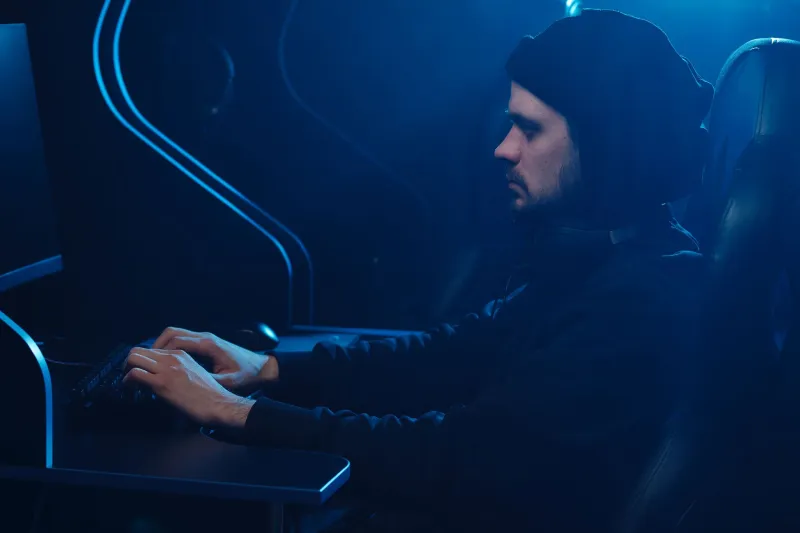
There's a moment every gamer knows too well. You fire up a title you've been hyped about for months, and within the first hour something feels off. Maybe the frame rate tanks every time an explosion goes off. Maybe a quest-critical NPC is standing in a wall, staring into the void. Maybe entire storylines feel like they were ripped out mid-sentence. You check the patch notes. Nothing. You check the forums. Crickets from the developer. Then, buried in a Reddit thread or a NexusMods page, you find it — a fan-made fix that actually works.
Welcome to the shadow QA department. They don't get paid. They don't get credited. But they might be the most important people in gaming right now.
The Broken Launch Pipeline
It's no secret that modern game releases have a reliability problem. Between aggressive release windows, publisher pressure, and the quiet assumption that day-one patches will smooth things over, shipping a polished product has started to feel almost optional. Cyberpunk 2077's disastrous console launch in 2020 is the example everyone reaches for, but it's hardly an isolated case. Fallout 76, Battlefield 2042, Redfall — the list of games that arrived in rough shape and leaned on post-launch updates to claw back goodwill is long and keeps getting longer.
Here's the thing though: official patches only go so far, and they only last so long. Eventually the studio shifts focus to the next project, the support team gets reassigned, and the servers go quiet. For players still invested in those games, that's when the modding community steps up.
What Fan Patches Actually Do
It's easy to think of mods as cosmetic stuff — new armor sets, character reskins, weapon swaps. And sure, a lot of modding is exactly that. But the deeper you go into communities built around games like The Elder Scrolls, Fallout, Gothic, or even older PC titles like Baldur's Gate, the more you realize modders are doing serious technical work.
Unofficial patches — sometimes called community patches or bugfix compilations — dig into a game's code to address issues the developer either couldn't fix or simply stopped trying to. We're talking memory leak corrections, crash fixes, broken AI behavior, quest logic errors, and clipping issues that shipped untouched through multiple official update cycles. The Unofficial Skyrim Special Edition Patch, maintained by a dedicated group of volunteers, has resolved thousands of documented bugs across more than a decade of updates. Thousands. For a game Bethesda still sells at full price.
Other modders go further by restoring cut content — features, dialogue, even entire storylines that were finished or near-finished but removed before release. The Fallout: New Vegas Restoration Project and similar efforts have given players access to content Obsidian built but never shipped. That's not just a fun bonus. For fans of those games, it's a more complete experience than the studio ever actually delivered.
The Weird Position Studios Are In
Here's where things get complicated. Most major studios have a quietly tolerant relationship with the modding community, especially on PC. Bethesda in particular has built a reputation — and a business model — around the assumption that modders will extend the life of their games indefinitely. Valve's Steam Workshop has made mod distribution mainstream. Some publishers have even started shipping official modding tools alongside their games.
But that tolerance gets awkward when the mods being distributed are essentially fixing the developer's mistakes. When a fan patch corrects thousands of bugs in a game the studio still sells, what does that say about the product being sold? Studios rarely acknowledge these patches officially, and they almost never compensate the people behind them. The community does the work, the publisher keeps the revenue, and everyone kind of agrees not to talk about it too loudly.
There's also a legal grey area that never fully resolves. Modding tools and community patches exist in a space where publishers could crack down if they wanted to — and occasionally they do, issuing DMCA takedowns against mods that step on monetization plans or use assets in ways the company doesn't like. The line between tolerated fan labor and intellectual property infringement is thin and moves whenever a publisher decides it should.
The People Behind the Fixes
Spend any time on NexusMods, the Nexus forums, or the dedicated Discord servers around specific games and you'll find the modders themselves are a fascinating cross-section of the gaming community. Some are professional developers working on fan projects in their spare time. Some are self-taught programmers who learned reverse engineering specifically because they loved a game and wanted to fix it. Some are writers, designers, or composers who never got into the industry but contribute at a genuinely professional level.
What they share is an investment in these games that outlasts the official support cycle by years, sometimes decades. The modding communities around games like Morrowind, Neverwinter Nights, and even Diablo II have been active longer than most studios stay solvent. That kind of sustained dedication is rare in any creative space.
Why This Matters for the Broader Industry
If you zoom out, the modding community's role as informal quality control reveals something uncomfortable about how the business of games currently works. The pressure to ship fast and patch later has become so normalized that some studios now factor community modding into their long-term support calculus. Why maintain a legacy title when the fans will do it for free?
That's a reasonable business decision and also a little troubling, depending on how you look at it. Players who buy a game are entitled to something that works. The fact that passionate volunteers often have to finish the job shouldn't be a feature — it should be a red flag.
At the same time, it's genuinely hard to be cynical about the results. The games that modding communities have preserved, repaired, and expanded are often better experiences today than they were at launch. That's worth celebrating, even if the circumstances that made it necessary aren't.
Give Credit Where It's Due
The next time you install an unofficial patch, a community bugfix, or a restoration mod, take a second to read the credits page if there is one. These are real people who spent real hours — sometimes years — making a game you love more playable than it shipped. They did it without a salary, without a release deadline, and without any guarantee anyone would care.
The gaming industry is lucky to have them. It would be nice if the industry said so a little more often.