Confessions of a Backlog Hoarder: Why We Buy Games We'll Never Play
Photo: Master of the Aeneid, CC0, via Wikimedia Commons
Let's be honest. Somewhere on your Steam account — or buried in your Xbox Game Pass queue, or stacked in a Humble Bundle folder you forgot existed — there's a game you bought with every intention of playing. That was three years ago. The game is still sitting there, untouched, silently judging you every time you scroll past it to boot up the same title you've been playing for 200 hours.
You are not alone. Not even close.
According to data pulled from Steam's public API by community analysts, the average Steam user has played fewer than half the games in their library. Some estimates put the percentage of "never launched" titles at well over 30%. With Steam sales hitting multiple times a year, Game Pass adding dozens of titles monthly, and bundle platforms like Humble Bundle practically giving away entire catalogs for a few bucks, the modern gamer's backlog has become less of a to-do list and more of a digital monument to good intentions.
So what's actually going on here?
The Dopamine Is in the Deal, Not the Download
Here's something that might feel uncomfortable to admit: for a lot of players, buying a game feels better than playing one. That's not a personal failing — it's basic brain chemistry.
When you snag a title for $3.99 that normally retails for $60, your brain registers a win. You've beaten the system. You've secured value. The dopamine hit you get from that transaction is real, immediate, and satisfying in a way that booting up a 40-hour RPG on a Tuesday night just... isn't.
Dr. Luke Chang, a neuroscientist at Dartmouth who studies decision-making, has written about how anticipation of reward often activates the brain's pleasure centers more intensely than the reward itself. Gaming culture has essentially industrialized that loop. Steam's countdown timers, the "limited time" framing on Game Pass additions, and the bundle-deal urgency of "pay what you want" offers are all expertly engineered to trigger that anticipatory high.
The game doesn't need to be played to have served its psychological purpose. It just needs to be owned.
FOMO Has a Library Card
Then there's the social dimension. Fear of missing out — that relentless cultural anxiety that you're falling behind on something everyone else is experiencing — hits gamers in a uniquely specific way.
When Baldur's Gate 3 dominated every conversation last year, or when a new indie darling starts trending on Reddit and TikTok, there's a very real pressure to at least have the game. Even if you don't play it right away. Even if you never play it. Ownership becomes a form of cultural participation. You're in the conversation. You have access. That matters to people in ways they don't always consciously acknowledge.
Subscription services like Game Pass and PlayStation Plus have actually amplified this effect in an interesting way. Because games rotate in and out of those catalogs, there's a new urgency: play it now or lose it. Gamers "save" titles to their libraries before they leave the service — which is really just hoarding with extra steps.
The Economics of Abundance
It's worth stepping back and recognizing that the backlog phenomenon is, in a weird way, a sign of how dramatically the economics of gaming have shifted.
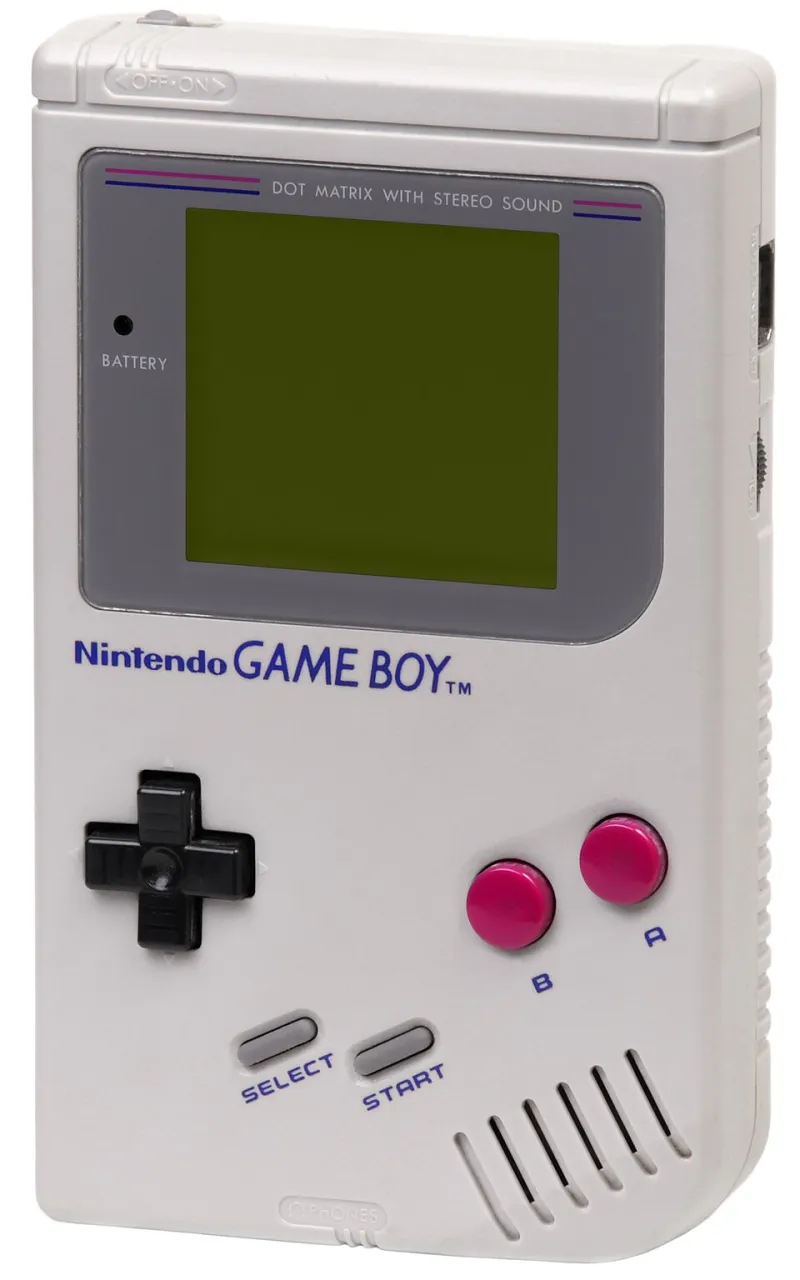
In the early days of console gaming, a new cartridge cost $50 to $70 — serious money, especially for a kid. You played what you had because you had almost nothing. You knew every corner of Super Mario Bros. because it was one of three games you owned. Scarcity forced depth.
Now? A $10 monthly subscription gives you access to hundreds of games. A $15 Humble Bundle might contain 20 titles. The sheer volume of available content has completely outpaced any single human's ability to consume it. We're not buying too many games because we're irrational. We're buying too many games because the industry has made accumulation genuinely cheap and easy.
And the industry knows it.
What Publishers Actually Think About Your Backlog
Here's where it gets a little uncomfortable from a business perspective. Game developers and publishers are acutely aware of backlog culture, and it shapes decisions in ways players don't always see.
When a game gets added to Game Pass, it often sees a massive spike in "players" — but engagement metrics don't always follow. Publishers have started paying close attention to actual play-time data, not just installs or library adds. That data influences everything from sequel greenlight decisions to how aggressively a studio supports a game post-launch.
There's also a growing school of thought among indie developers that shorter, tighter games perform better in a backlog-saturated market. If a player knows they can finish your game in four hours, it's a much easier "tonight" decision than a 60-hour open-world epic that requires a real commitment. The rise of compact, high-quality indie experiences — think Hades, Unpacking, or A Short Hike — isn't just an artistic choice. It's a strategic response to the backlog problem.
AAA studios, meanwhile, are doubling down on live-service models and games-as-a-service structures that create ongoing reasons to return. If your game is never really "finished," it can never really sit unplayed in a backlog.
So Should You Feel Guilty?
Honestly? No. Or at least, not more than a little.
Backlog culture is a byproduct of living in a moment when gaming has never been more accessible, more diverse, or more creatively rich. The fact that you have 400 unplayed games is partly a testament to how incredible this medium has become. There are more good games available right now than any person could ever fully experience, and that's kind of amazing.
That said, there's something to be said for occasionally putting down the shopping cart and picking up a controller. Some of the best gaming experiences of your life might be sitting in a library you've been scrolling past for years.
The backlog isn't going anywhere. Maybe it's time to actually open one of those games.
And if you don't? Well, there's probably a sale this weekend anyway.