Pixels Perfected: How Emulation Finally Gave Retro Games the Glow-Up They Deserved
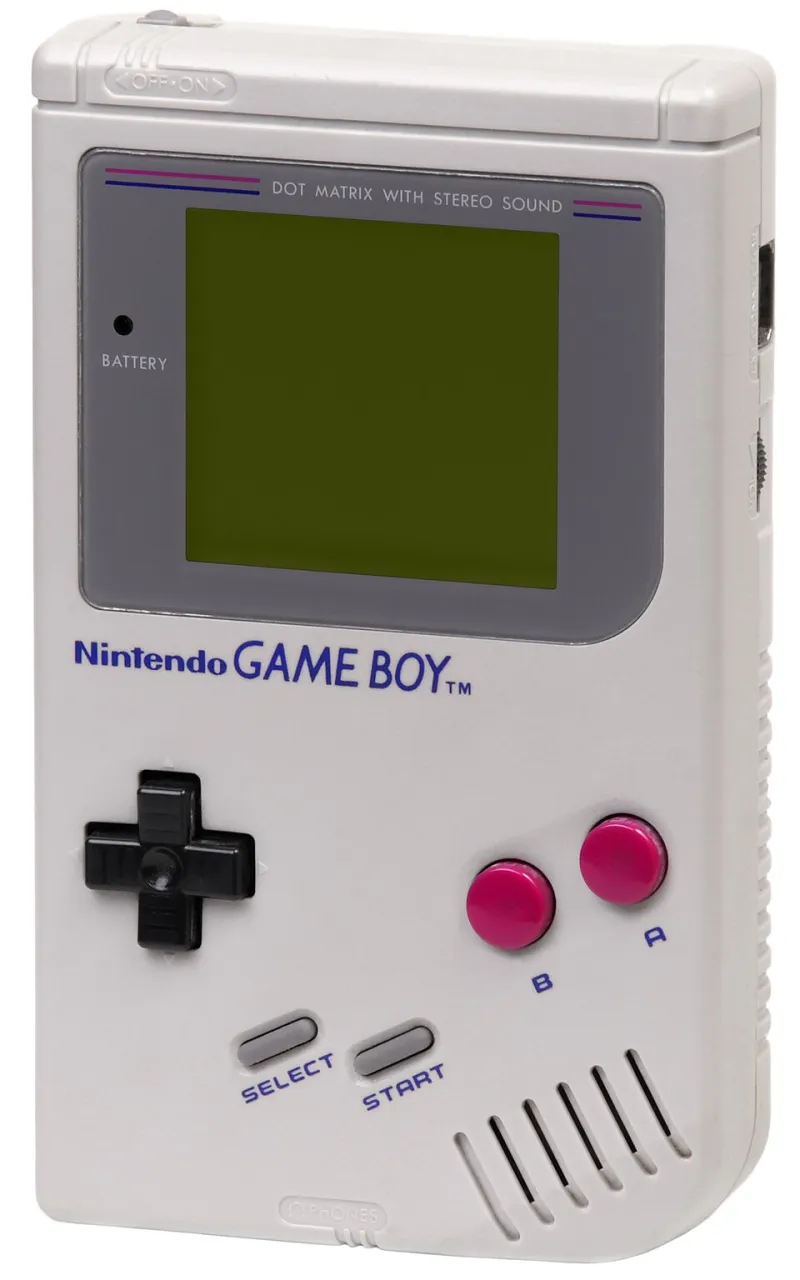
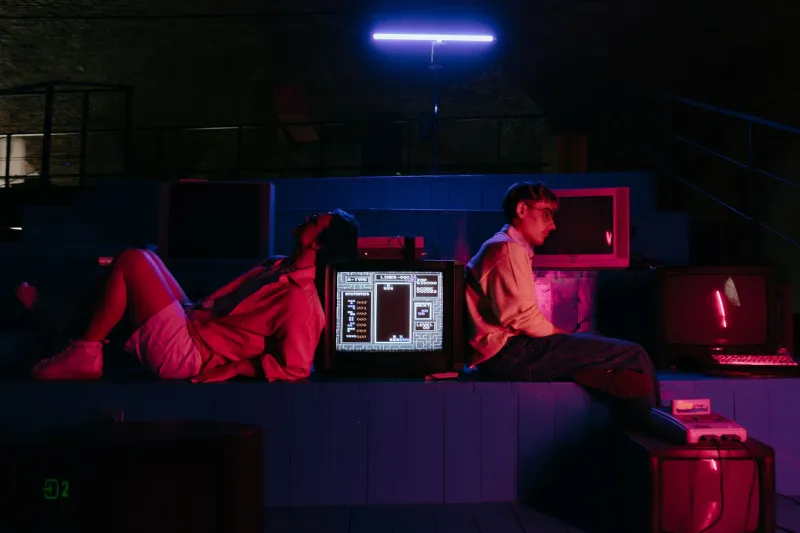
There's a certain kind of gamer who still has a CRT television shoved in the corner of their basement. They'll swear up and down that composite cables and scanlines are the only authentic way to experience a Super Nintendo. And honestly? Respect. But for the rest of us — the ones with 4K monitors, limited shelf space, and zero interest in hunting down a working cartridge on eBay — something remarkable has been quietly happening in the emulation world. The technology has matured to the point where it doesn't just replicate classic hardware anymore. In a lot of ways, it straight-up improves on it.
Emulation used to feel like a compromise. Choppy frame rates, audio glitches, input lag that made precise platformers feel like you were playing through wet concrete. Those days are largely behind us. What's emerged in their place is a sophisticated ecosystem of emulators, shaders, and enhancement tools that would've seemed like science fiction to someone playing Ocarina of Time on a tube TV in 1998.
The Tech Behind the Transformation
The biggest leap forward has come from a combination of raw computing power and genuinely clever software engineering. Modern emulators like RetroArch, Yuzu (before its legal complications), RPCS3, and Dolphin aren't just mimicking old hardware — they're running circles around it. Dolphin, for example, can push Super Mario Galaxy at 4K resolution with high-resolution texture packs, unlocked frame rates, and widescreen patches. The original Wii couldn't dream of that output.
Then there's the AI upscaling side of things. Tools that use machine learning to intelligently scale pixel art and low-resolution 3D textures have given older games a visual clarity that feels true to what the art was trying to be, rather than what the hardware could actually render. It's not about making old games look new — it's about removing the technical ceiling that the original developers were always bumping against.
Shader support deserves its own mention here. Want that authentic CRT scanline look without actually owning a CRT? There are shaders for that, painstakingly crafted by community members who spent hundreds of hours getting the phosphor glow just right. Want a clean, crisp pixel-perfect presentation instead? That's a setting toggle. The flexibility is genuinely staggering.
Quality of Life Changes That Actually Matter
Beyond visuals, modern emulation has quietly solved problems that plagued original hardware for decades. Save states are the obvious one — the ability to save anywhere, instantly, completely changes how you engage with games built around limited save systems or brutal difficulty spikes. You're not cheating. You're playing on your terms, around your actual adult life with a job and maybe some kids and definitely not six uninterrupted hours to dedicate to a Mega Man stage.
Fast-forward functionality is another underrated feature. Grinding in a classic JRPG becomes significantly less painful when you can run through random encounters at 4x speed. Rewinding after a cheap death in a punishing platformer turns frustration into a learning moment rather than a controller-throwing event.
Input remapping, controller support for modern hardware, and widescreen hacks round out a package that makes classic games genuinely accessible to players who never had the chance to experience them the first time around. A teenager in 2024 can pick up a PS5 controller, load up a GameCube emulator, and jump into Wind Waker without any friction. That's not a small thing.
The Legal Gray Area Nobody Wants to Talk About
Okay, let's be honest — this is the part that makes the whole conversation complicated. Emulation itself sits in a legally murky space, and the rules around ROMs and ISOs are even murkier. The general legal consensus in the US has long held that emulators themselves aren't illegal, since they don't contain copyrighted code. The games are another story.
The argument that you're allowed to back up games you physically own has never actually been tested cleanly in US courts, and most legal experts will tell you that defense is shakier than the gaming community tends to believe. Nintendo in particular has been aggressive about enforcement, going after ROM sites and, more recently, emulator projects themselves — the takedowns of Yuzu and Citra sent a clear message that the company isn't interested in drawing a polite line between preservation and piracy.
But here's the uncomfortable reality that the legal framing tends to obscure: for a massive portion of gaming history, emulation is the only option. Games that were never re-released, titles that disappeared when storefronts shut down, regional exclusives that never made it stateside — these exist in the cultural record almost entirely because of the emulation community's efforts. The alternative to emulation for these games isn't buying them legally. The alternative is them being gone.
What This Means for Preservation
Game preservation is a cause that doesn't get nearly enough mainstream attention. The Video Game History Foundation has done important work documenting just how much gaming history is at risk — their research found that roughly 87% of classic games are currently out of print and commercially unavailable. When official channels dry up, the emulation community becomes the de facto library.
The irony is that as emulation technology gets better, the official re-release market has gotten more inconsistent. Nintendo's Switch Online library offers a curated but limited selection. Sony has largely stepped back from its legacy catalog on current hardware. Microsoft has done solid work with backward compatibility, but that only covers its own ecosystem. The gaps are enormous, and they're not getting smaller.
For game historians, researchers, and honestly just regular players who want to revisit something from their childhood, emulation has become an essential resource. The community-built preservation infrastructure — the ROM archives, the fan translation projects, the texture pack creators — represents a genuine cultural service, even if it exists in legal tension with the companies whose work it preserves.
Where This All Lands
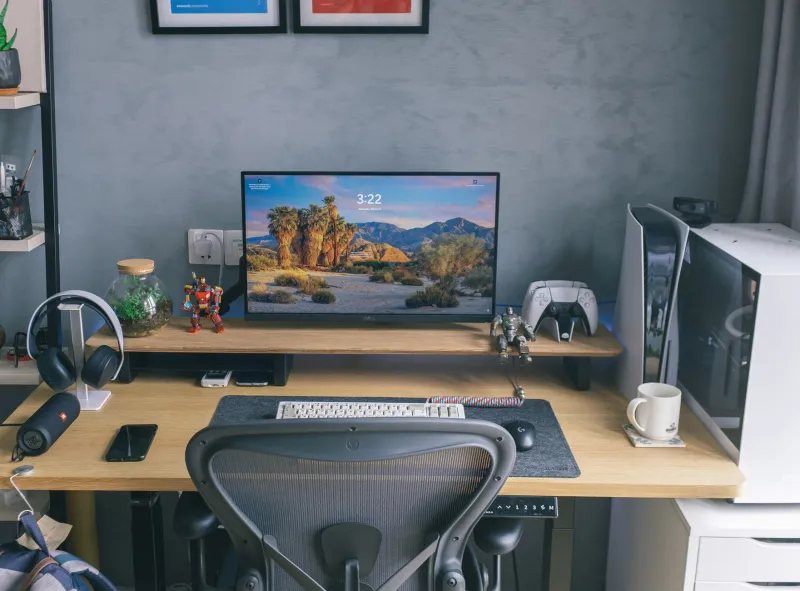
If you haven't dipped into modern emulation yet, the entry point has never been lower. RetroArch can feel overwhelming at first, but standalone emulators for specific systems are genuinely user-friendly at this point. The hardware requirements for anything up to PS2 and GameCube are minimal — a mid-range laptop can handle most of it without breaking a sweat.
The experience waiting on the other side is something special. It's classic games with the rough edges smoothed out, made accessible in ways that honor what those games were trying to accomplish rather than just preserving their limitations. Whether you're revisiting something you loved as a kid or discovering a PS1 JRPG you somehow missed, you're getting the best version of that game that has ever been playable.
That's not nothing. In a gaming landscape where the past keeps disappearing behind licensing issues and delisted storefronts, the emulation community is doing the work of keeping it alive. The pixels have never looked better.